Adhesives and Sealants — FAQ
What's the difference between construction adhesive and regular glue?
Construction adhesives are formulated for structural loads and extreme conditions, bonding to multiple materials with strengths exceeding 200 PSI. Regular wood glue or craft glue lacks the gap-filling capacity, weather resistance, and sheer holding power needed for building applications.
Can I use heavy duty construction adhesive instead of nails or screws?
Yes, many modern construction adhesives exceed fastener strength when properly applied and fully cured. For structural applications, building codes often require both adhesive and mechanical fasteners. For trim, paneling, and non-structural work, quality adhesive alone suffices.
How long does construction adhesive take to dry?
Most heavy duty adhesives tack within 10-30 minutes for temporary hold, but require 24-72 hours for full cure and maximum strength. Temperature and humidity affect cure time—cold or damp conditions extend the process. Always check manufacturer specs before applying load.
Is polyurethane construction adhesive worth the extra cost?
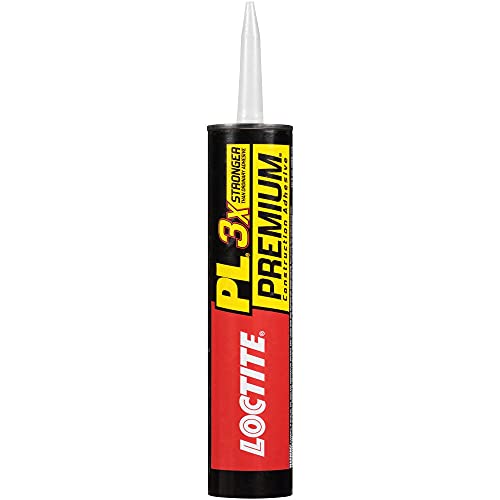
For critical applications and exterior projects, absolutely. Polyurethane bonds are stronger, more flexible, and maintain integrity across temperature extremes. For interior trim or temporary fixes, cheaper latex-based adhesives work fine. The Loctite PL Premium proves you can get polyurethane performance at near-latex prices.
Why do some adhesives require a caulk gun?
Cartridge adhesives contain 9-10 ounces of material—too thick to squeeze by hand. Caulk guns provide the mechanical advantage needed for controlled, consistent application. This bulk packaging significantly reduces cost per ounce compared to hand-squeeze tubes.
Can construction adhesive be painted over?
Once fully cured, most construction adhesives accept paint, stain, or varnish. Polyurethane formulas may require light sanding for optimal adhesion. Always verify the specific product's paintability—some remain slightly flexible and can cause paint cracking if not properly prepared.