Flooring — FAQ
What tools are essential in a laminate flooring installation kit?
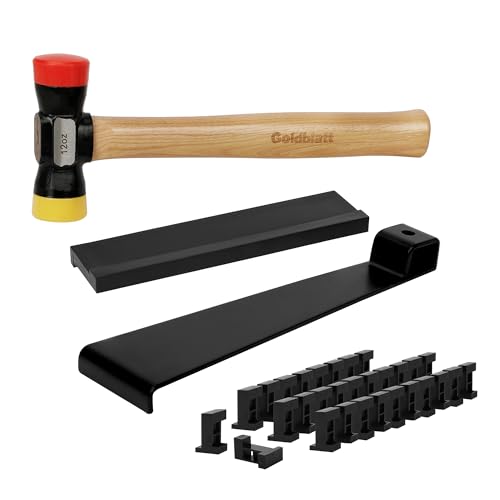
Every kit needs a tapping block, pull bar, spacers, and a mallet. The tapping block protects plank tongues while driving them tight. The pull bar closes end joints near walls. Spacers maintain expansion gaps, and the mallet delivers force without damaging surfaces. Avoid kits missing any of these core tools.
Can I use these kits for luxury vinyl plank (LVP) installation?
Yes, most laminate kits work perfectly for LVP, WPC, and SPC. The tapping block and pull bar function identically. Ensure spacers accommodate LVP's typical 1/4" expansion gap. Some LVP-specific kits include thinner tapping blocks for tighter clearance, but standard laminate kits perform excellently for rigid core vinyl.
How many spacers do I need for my room size?
Calculate one spacer every 12 inches along walls. A 10x12 ft room (120 sq ft) needs roughly 20-24 spacers. For 200 sq ft, aim for 30-40 spacers. The Saker kit's 60 spacers handle 300+ sq ft without repositioning. Having extra spacers speeds installation—move them forward as you lay rows rather than stopping to collect and reset.
Do I really need a contour gauge for flooring installation?
Contour gauges save hours on complex cuts around door casings, pipes, and irregular walls. While not essential for square rooms, they eliminate guesswork and material waste in architectural spaces. For $10-15 extra in kit price, they pay for themselves by preventing miscut planks. Consider your layout complexity before deciding.
What's the difference between installation kits and repair kits?
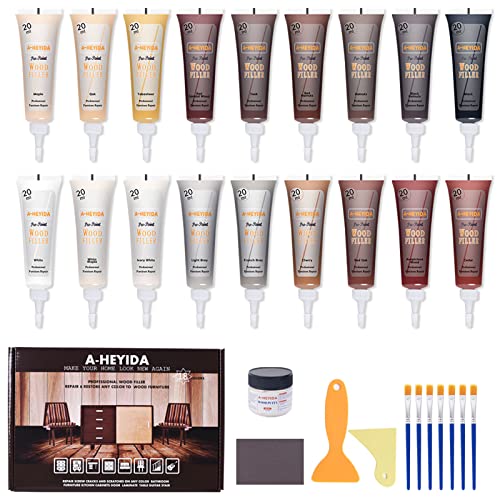
Installation kits contain tools to lay new flooring—tapping blocks, pull bars, spacers, mallets. Repair kits include fillers, markers, and heat pens to fix scratches, cracks, and holes in existing floors. They serve completely different purposes. Some users buy both: installation kit for new projects, repair kit for maintenance and damage control.
How much should I budget for a quality laminate flooring kit?
Reliable budget kits start around $25-35 and include all essential tools. Mid-range kits with reinforced tools and extras like contour gauges cost $40-55. Professional-grade sets run $60-80. For occasional DIY use, $35-45 delivers excellent value. Avoid sub-$20 kits—they typically use brittle plastic and weak mallets that fail mid-project.