Hand Tools — FAQ
How many chisels do I actually need as a beginner?
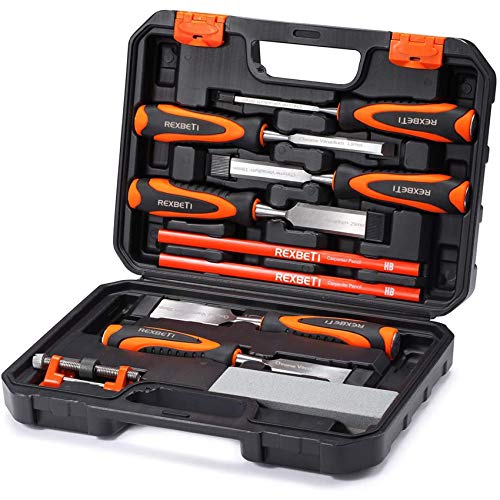
Four essential sizes—6mm, 12mm, 18mm, and 24mm—handle nearly all beginner joinery. Master these before buying specialized profiles. Quality beats quantity; one sharp 12mm chisel outperforms a dozen dull ones.
What's the difference between Cr-V and carbon steel?
Chrome-vanadium steel resists rust and sharpens easily, ideal for learning. Carbon steel holds a finer edge longer but requires immediate cleaning to prevent corrosion. Beginners should start with Cr-V for forgiveness.
Do I really need a honing guide and sharpening stone?
Absolutely. Dull chisels are dangerous and frustrating. A honing guide ensures correct bevel angles while learning—freehand sharpening takes months to master. Budget $15-30 for these if not included in your set.
Can I use a regular claw hammer instead of a mallet?
Technically yes, but you'll damage handles and lose control. Mallets distribute force evenly and bounce less. If you must use a hammer, ensure your chisels have steel striking caps and use light taps—never full swings.
What's the difference between bench chisels and carving chisels?
Bench chisels have flat backs for joinery like dovetails and mortises. Carving chisels include gouges (curved) and V-tools for shaping and detail work. Start with bench chisels for furniture; add carving tools later for artistic projects.
How much should a beginner spend on their first set?
$40-60 gets a quality 4-6 piece Cr-V set with sharpening accessories. Below $30 risks poor steel that won't hold an edge. Above $80 enters professional territory where you pay for premium materials you can't yet fully utilize.