Adhesives and Sealants — FAQ
What's the difference between construction adhesive and wood glue for kitchen projects?
Construction adhesive bonds dissimilar materials like wood to concrete or stone to drywall, while wood glue only works on porous wood-to-wood joints. Construction adhesive also provides gap-filling properties and waterproofing essential for kitchens.
How long does construction adhesive take to dry in a kitchen environment?
Skin time ranges from 15 minutes to 1 hour. Light handling strength develops in 2-6 hours. Full cure requiring load-bearing capacity needs 24 hours. Temperature and humidity affect cure speed—warmer and more humid conditions accelerate curing.
Can I use construction adhesive to install a kitchen tile backsplash?
Yes, construction adhesive works for backsplash tile, especially heavy stone or large-format tiles. Ensure the adhesive is compatible with your substrate and tile material. For wet areas like behind sinks, use 100% waterproof polyurethane formulas.
Is construction adhesive food safe for kitchen use?
Construction adhesive is not food-safe and should never contact food or food preparation surfaces. It's safe for structural applications like cabinets and backsplashes that don't touch food. Once fully cured, it emits minimal VOCs and poses no air quality risk.
Do I need to clamp or brace materials when using construction adhesive?
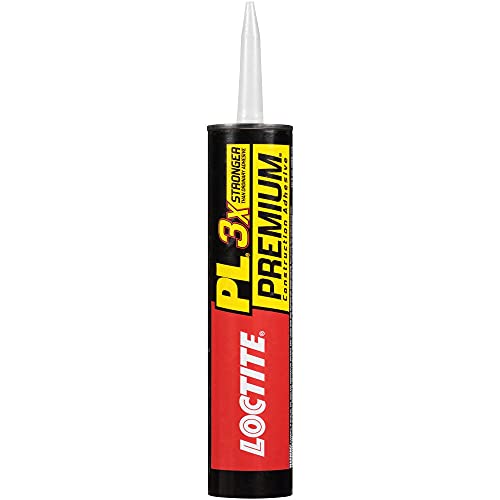
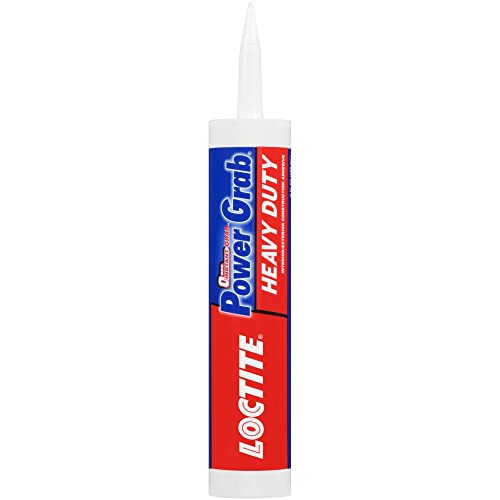
Instant-grab formulas like Loctite Power Grab require minimal bracing. Standard polyurethane adhesives need bracing for 24 hours. Heavy materials like countertops need temporary support regardless of adhesive type. Always follow manufacturer recommendations for your specific application.
How do I remove excess construction adhesive from kitchen surfaces?
Wipe wet adhesive immediately with mineral spirits or acetone (test surface first). Cured adhesive requires mechanical removal—scrape with putty knife or sand. For delicate surfaces like countertops, use a plastic scraper to avoid scratching. Never use heat guns near cabinets.