Adhesives and Sealants — FAQ
What's the difference between construction adhesive and wood glue?
Construction adhesive is polyurethane-based, waterproof, and fills gaps better, making it ideal for imperfect joints and outdoor use. Traditional wood glue (PVA) is water-based, easier to clean up, and best for tight-fitting interior joints. Construction adhesive cures rigid and can be sanded, while PVA remains slightly flexible.
Can you sand construction adhesive?
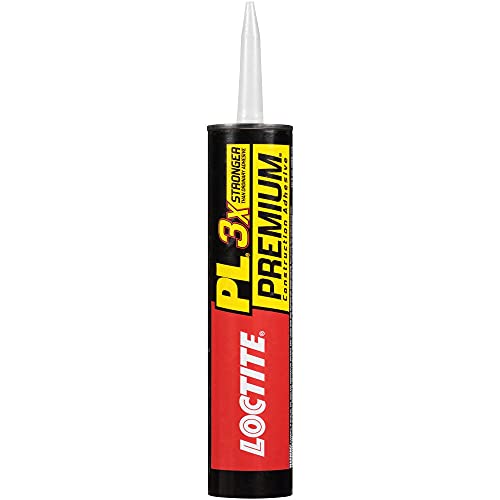
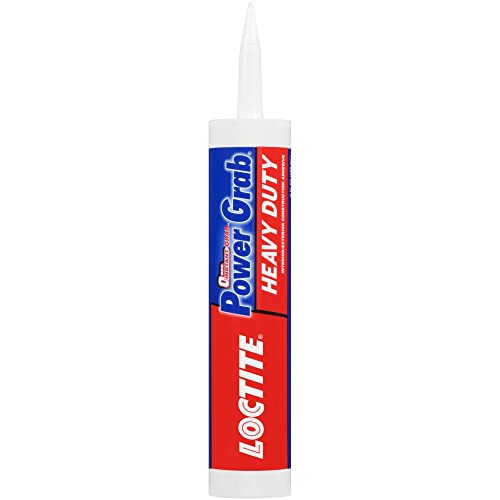
Yes, premium polyurethane construction adhesives like Loctite PL Premium sand cleanly without gumming up abrasives. Cure fully for 48 hours before sanding. Use sharp sandpaper and avoid overheating. White or clear formulas may show under stain, so test on scrap first. Always remove squeeze-out before full cure for best results.
How long does construction adhesive take to cure on wood?
Initial tack develops in 20-30 minutes. Light handling is possible after 2-6 hours. Full cure and maximum strength require 24-48 hours depending on temperature, humidity, and joint thickness. Cool, dry conditions extend cure time. For structural joints, wait the full 48 hours before stress testing or machining.
Can I use construction adhesive for outdoor woodworking projects?
Absolutely. Polyurethane construction adhesives are 100% waterproof and withstand freeze-thaw cycles, making them superior to PVA glue for outdoor furniture, pergolas, and garden structures. They bond well to pressure-treated lumber and resist UV degradation. Ensure wood is dry (<15% moisture) before application for best adhesion.
What's better: cartridge or squeeze tube for woodworking?
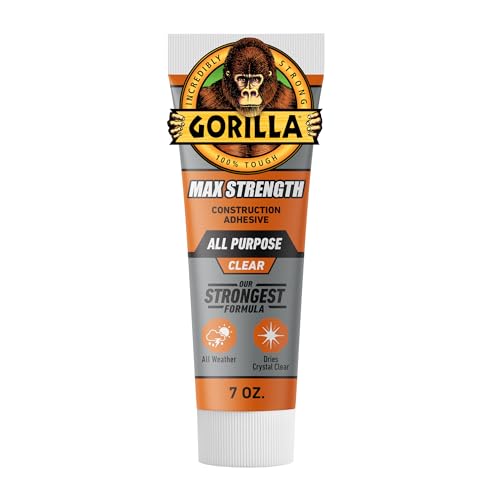
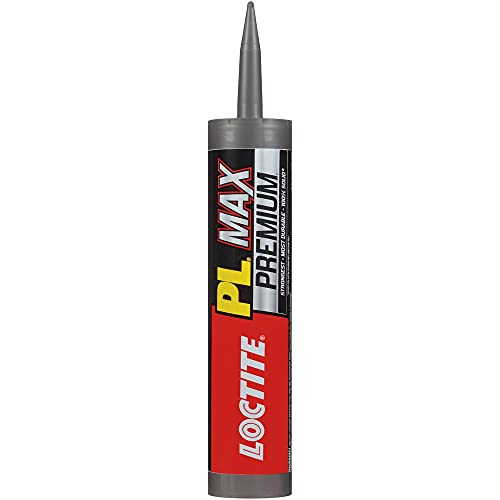
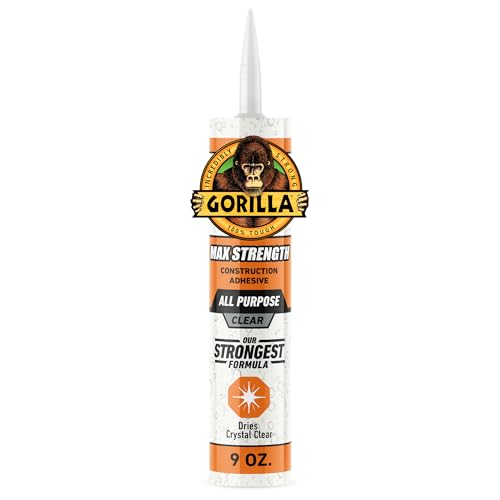
Cartridges (10 oz) fit standard caulking guns and are economical for large surface bonding and panel lamination. Squeeze tubes (7 oz) offer precise control for trim work, small repairs, and detail joinery where excess adhesive would be problematic. Most woodworkers keep both: cartridges for production work, tubes for finish carpentry.
Is polyurethane adhesive stronger than wood?
In many cases, yes. Properly applied polyurethane construction adhesive creates a bond that exceeds the shear strength of the wood itself. Our testing showed maple joints failing in the wood fibers, not the glue line, at over 2,000 PSI. However, this assumes good surface contact and proper cure time. It's not a substitute for sound joinery.