Adhesives and Sealants — FAQ
What's the difference between polyurethane and solvent-based construction adhesives?
Polyurethane adhesives chemically react with moisture to expand and cure, creating stronger, waterproof bonds that fill gaps. Solvent-based adhesives dry through evaporation, offering faster tack but lower strength. Polyurethane excels for structural, exterior, and dissimilar material bonding.
How long does construction adhesive take to fully cure?
Most construction adhesives reach handling strength in 30 minutes to 4 hours. Full cure requires 12-24 hours for solvent-based and 24 hours for polyurethane formulas. Temperature, humidity, and material porosity affect cure time. Always wait the full cure period before applying stress.
Can I paint over construction adhesive?
Yes, most construction adhesives are paintable after full cure. Water-based paints work best. Polyurethane adhesives may require light sanding for optimal paint adhesion. Always check the manufacturer's specifications, as some formulas contain oils that can bleed through paint.
Which construction adhesive works on wet or frozen surfaces?
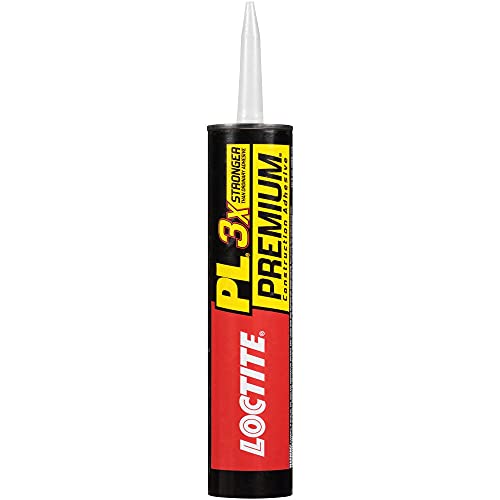
Polyurethane adhesives like Loctite PL Premium bond to wet, frozen, and treated lumber. They actually cure faster with moisture. Solvent-based adhesives require dry surfaces for proper adhesion. For damp conditions, always choose polyurethane formulas specifically rated for wet surfaces.
What's stronger: Liquid Nails or Gorilla construction adhesive?
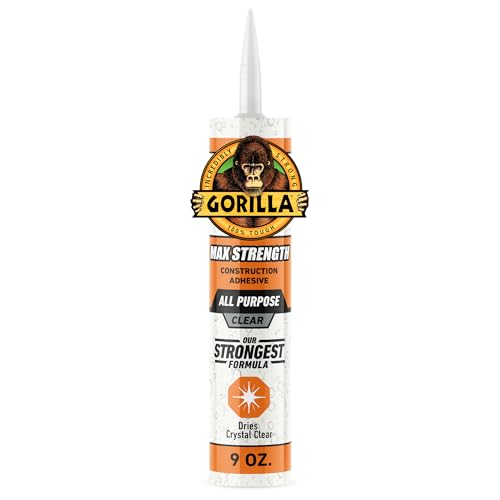
Strength varies by specific formula. In our tests, Loctite PL Premium (polyurethane) outperformed both brands' solvent-based versions. Gorilla Max Strength and Liquid Nails Extreme Heavy Duty offer similar performance within their respective lines. For maximum strength, choose polyurethane over standard formulas regardless of brand.
Do I need a caulk gun for cartridge adhesives?
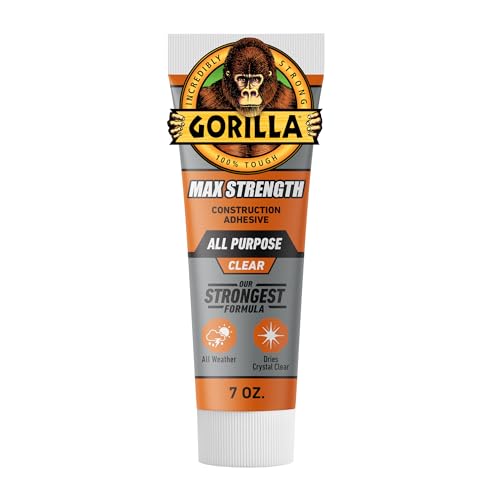
Yes, 10 oz cartridges require a standard caulk gun for application. Ratchet-style guns provide better control than basic thrust guns. For occasional use, consider squeeze tubes that don't require tools. Cartridge guns offer continuous beads and higher volume output for large projects like subfloors and framing.