Electrical — FAQ
What mil thickness do contractors need?
For professional work, choose 7-mil tape. It withstands abrasion, punctures, and jobsite abuse. Thinner 5.5-mil tape suits only light-duty indoor residential tasks.
Can electrical tape replace wire nuts?
Never. Tape provides insulation, not mechanical connection. Always use wire nuts or proper connectors first, then tape for protection. Code requires rated connectors for all splices.
How long does pro-grade tape last?
Properly stored 3M Super 33+ lasts 5+ years on the shelf and decades when applied. UV exposure degrades tape over time—inspect outdoor applications annually and rewrap if cracked.
Is all electrical tape flame retardant?
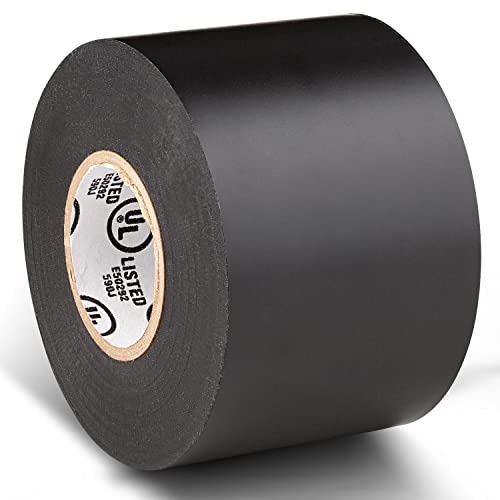
No. Only UL-listed tapes with flame-retardant ratings meet code. Economy tapes may burn or contribute to fire spread. Always check for 'flame retardant' on the specification sheet.
What's the difference between vinyl and rubber tape?
Vinyl tape (like Super 33+) offers better weather resistance and UV stability. Rubber tape provides higher voltage ratings and self-fusing properties for high-tension splices but lacks vinyl's durability.
How do I store tape on the job site?
Keep rolls in a sealed toolbox away from sun and extreme heat. Adhesive breaks down above 120°F. Cold doesn't damage tape but reduces tack—warm in your pocket before application in winter.