Electrical — FAQ
What's the difference between vinyl and rubber electrical tape?
Vinyl tape (PVC backing) dominates homeowner use due to its flexibility, durability, and temperature range. Rubber tape (self-fusing) creates tighter seals for high-voltage splices but is overkill for most DIY projects. Use vinyl for 99% of home repairs.
Can electrical tape catch fire or melt?
Quality UL-listed tape is flame-retardant and self-extinguishing. However, economy tapes can melt above 176°F, especially near light fixtures or in attics. Always check temperature ratings and never use tape as a permanent fix for overloaded circuits.
How long does electrical tape last before degrading?
Premium tape lasts 5-10 years indoors and 3-5 years outdoors. Economy tape may fail within 1-2 years, especially in UV light or temperature extremes. Inspect taped connections annually and replace if you see cracking, peeling, or discoloration.
Is all electrical tape waterproof?
No. Only premium all-weather tapes provide true waterproof seals. Standard economy tape resists moisture but allows water ingress under pressure. For outdoor splices, use UL-listed tape rated for water resistance and wrap with overlapping layers.
Can I use electrical tape instead of wire nuts?
Never. Wire nuts provide mechanical connection and insulation; tape only insulates. The National Electrical Code requires wire nuts or approved connectors. Tape can supplement wire nuts in damp locations but cannot replace them.
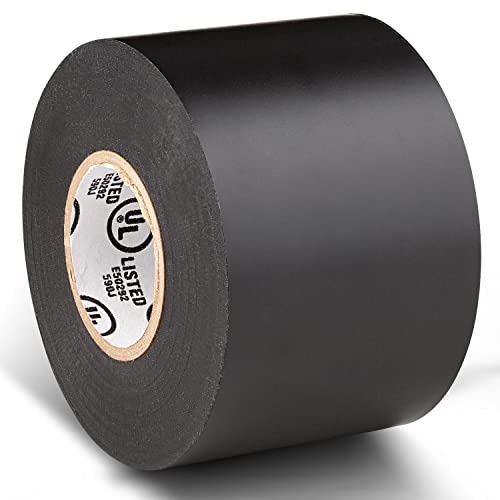
What does UL/CSA listed mean on electrical tape?
UL (Underwriters Laboratories) and CSA (Canadian Standards Association) test tapes for dielectric strength, temperature rating, and flame resistance. Listing confirms the tape meets safety standards for 600V applications. Always choose listed tape for permanent repairs.