Hand Tools — FAQ
What's the difference between carbon steel and alloy steel files?
Carbon steel files are economical and work well on soft metals and wood but dull quickly on hardened materials. Alloy steel files, like T12 grade, contain chromium and vanadium for superior hardness (HRC 60-65) and edge retention, making them ideal for frequent use on steel.
How many files do I actually need in a set?
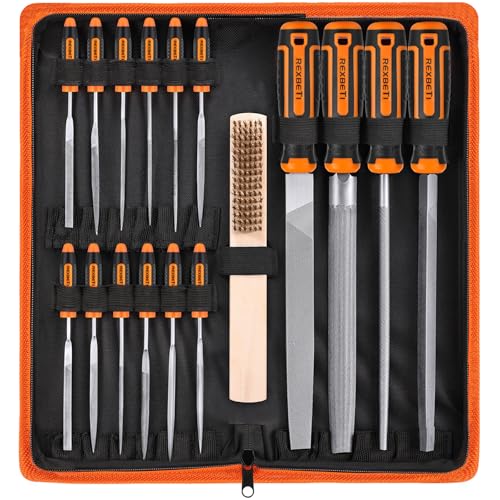
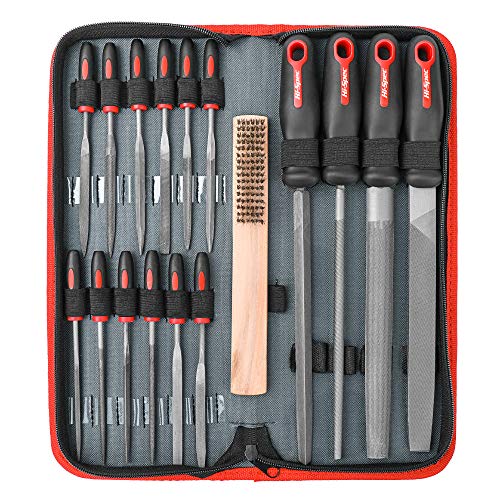
Most users need 4 large files (flat, half-round, round, triangle) and 6-8 needle files for detail work. A 17-25 piece set covers 95% of tasks. Larger 31-piece kits benefit specialists, while 3-piece sets suit minimalists or mobile technicians.
Can these files be used on hardened steel?
Standard carbon steel files struggle on hardened steel above HRC 40. Use diamond-coated files or premium T12 alloy files with fine teeth for hardened materials. Apply light pressure and oil to prevent tooth breakage.
How do I clean and maintain my file set?
What's the difference between needle files and regular files?
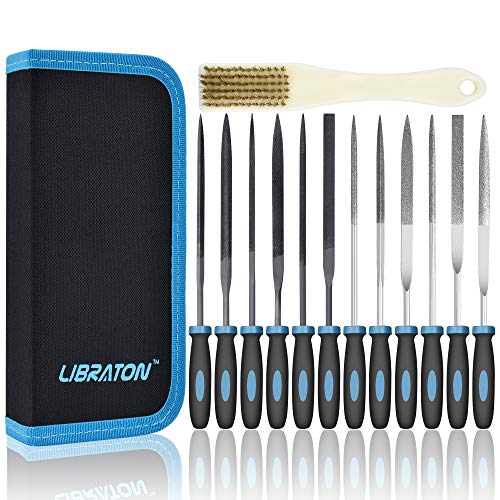
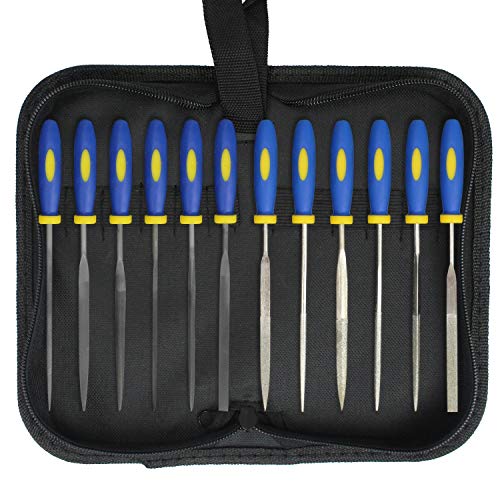
Needle files have smaller profiles (under 6mm wide) and finer teeth for precision work in tight spaces. Regular files range from 8-12 inches long with coarser teeth for material removal. Both are essential for complete workshops.
Are diamond files better than steel files?
Diamond files excel on ultra-hard materials like carbide, ceramic, and hardened steel where steel files skip or dull. However, they cut slower on soft metals and cost more. Use diamond for precision and steel for bulk material removal.