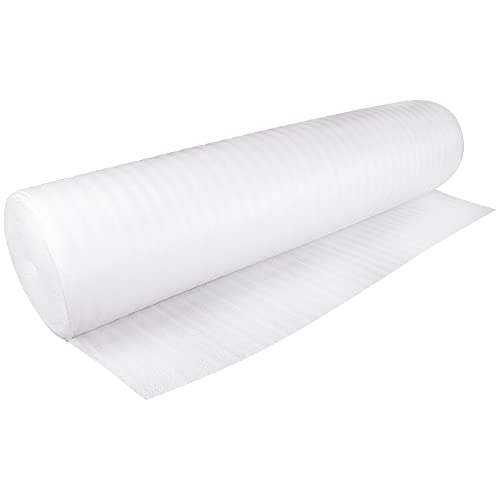
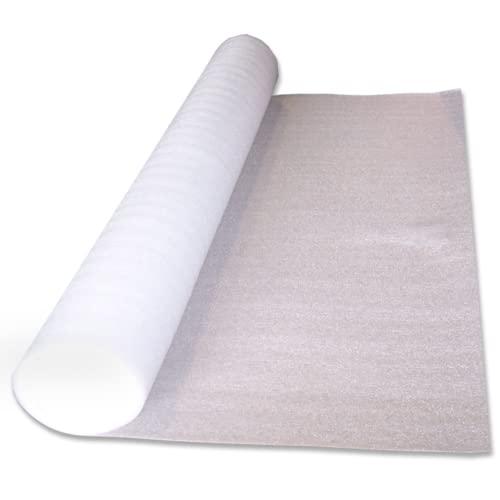
Flooring — FAQ
Can I use foam underlayment on concrete?
Yes, but only with underlayment featuring a built-in vapor barrier (≤0.15 perm rating). Standard foams trap moisture against concrete, causing mold under carpets.
How thick should carpet underlayment be?
For residential carpet, 6mm is ideal for durability and sound reduction. Use 3-4mm only where door clearances are tight—thinner foams compress faster under furniture.
Does underlayment extend carpet life?
Absolutely. Quality underlayment prevents carpet fibers from crushing into subfloor seams and absorbs impact, reducing wear. Expect 20-30% longer carpet lifespan with proper padding.
Can I install carpet without underlayment?
Never. Skipping underlayment voids carpet warranties and causes premature wear. Foam padding absorbs footsteps, insulates, and maintains carpet pile integrity—essential for performance.
Why does my underlayment have a smell?
New foam off-gasses VOCs initially. Air out rolls for 24 hours before installation. Persistent odors indicate low-quality materials—choose GREENGUARD-certified products for indoor air safety.
How do I seam underlayment properly?
Use manufacturer-approved tape (not duct tape) over 2" overlaps. Press seams firmly with a roller. Avoid gaps—unsealed seams create hard ridges visible through carpet.