Hand Tools — FAQ
What's the difference between needle nose and long nose pliers?
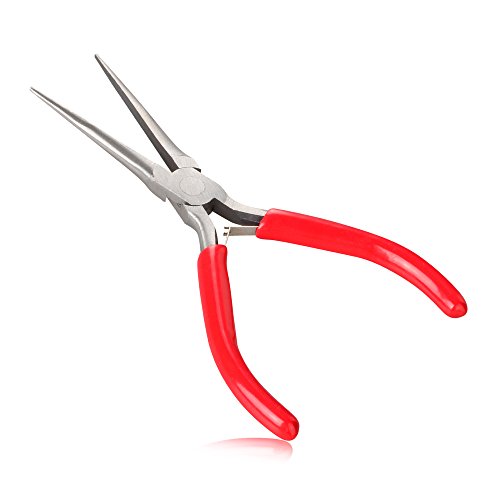
The terms are interchangeable—both describe pliers with long, tapered jaws for gripping small objects. 'Needle nose' typically emphasizes finer, more precise tips, while 'long nose' may refer to heavier-duty versions. For home maintenance, either works; focus on jaw length and grip quality.
Can I use needle nose pliers to cut wire?
Most models include integrated wire cutters near the joint that handle 12-16 gauge copper wire effectively. However, they're not designed for heavy cutting. For frequent wire work, invest in dedicated diagonal cutters. Using needle nose cutters on hardened steel will damage the precision jaws.
What size needle nose pliers should I buy first?
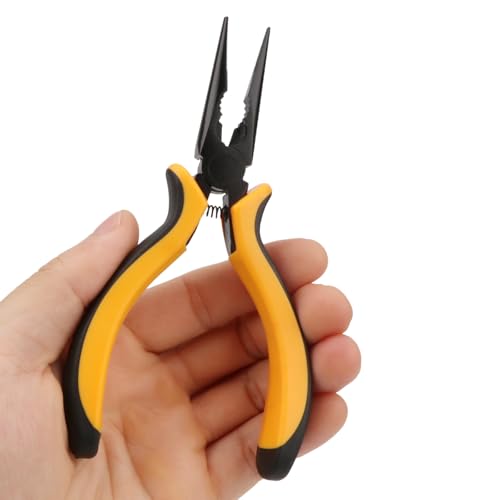
An 8-inch model offers the best versatility for home maintenance—long enough for good reach but short enough for control. If you also work on electronics or jewelry, add a 5-6 inch model for precision tasks. A two-piece 6" and 8" set covers all bases economically.
How do I maintain my needle nose pliers?
Wipe clean after each use and apply a light machine oil to the joint monthly. Store in a dry place; high carbon steel models need more frequent oiling. Don't use them as hammers or pry bars. Check jaw alignment periodically—misaligned tips reduce gripping power and precision.
Are expensive needle nose pliers worth it for occasional DIY use?
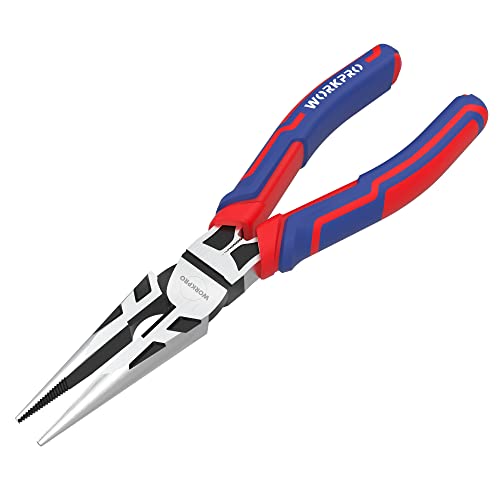
For occasional use, a mid-range $15-25 pair offers 90% of premium performance. Budget models under $12 work fine for basic tasks but may develop joint wobble faster. Avoid the cheapest options with misaligned jaws. The WORKPRO or Edward Tools models provide excellent value without professional-grade pricing.
Can needle nose pliers replace tweezers for precision work?
For many tasks, yes—especially when more gripping force is needed. The serrated jaws hold objects more securely than tweezers, and the longer handles provide better leverage. However, tweezers remain superior for extremely delicate electronics and medical applications where tip precision below 0.3mm is required.