Hand Tools — FAQ
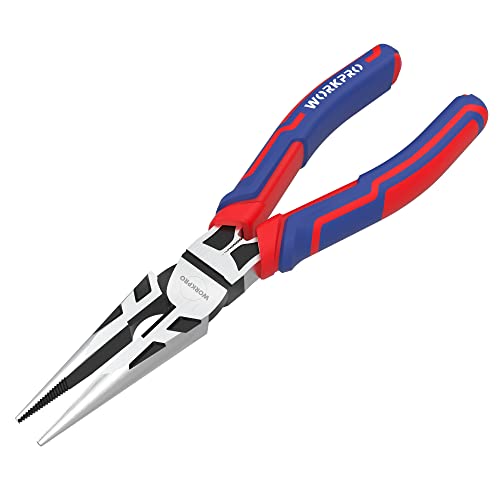
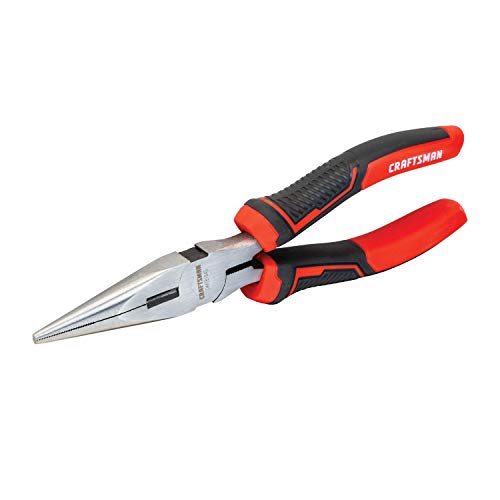
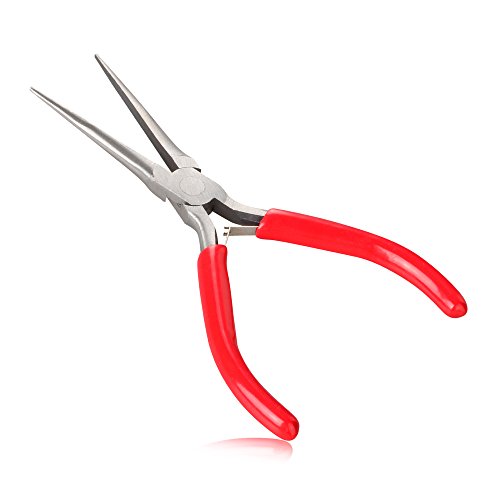
What size needle nose pliers should I buy for my workshop?
Start with 8-inch pliers for general use—best leverage and versatility. Add 6-inch for electronics or tight engine work. A two-piece set covers all bases if budget allows.
Are carbon steel or CRV steel pliers better?
CRV (chrome vanadium) steel offers superior corrosion resistance and edge retention worth the premium for daily use. High carbon steel performs well for occasional tasks at lower cost.
Can needle nose pliers cut wire?
Most include integrated cutters rated for 14-16 AWG copper wire. Avoid cutting hardened steel, nails, or screws which damages precision jaws. Use dedicated wire cutters for heavy gauge materials.
How do I maintain my needle nose pliers?
Wipe clean after use and apply light oil to joint monthly. Store in dry environment. Occasionally sharpen cutter edges with fine file. Avoid using as hammer or pry bar.
What's the difference between needle nose and long nose pliers?
The terms are interchangeable. Both feature long tapered jaws for gripping in tight spaces. Needle nose typically implies thinner, more precision-oriented tips.
When should I replace my needle nose pliers?
Replace when jaws develop side play, cutter edges chip, or tips no longer align properly. Rust affecting joint smoothness or spring action also indicates replacement time.