Painting — FAQ
What's the difference between carbide and steel scraper blades?
Carbide blades are tungsten carbide, a super-hard material that stays sharp 10 times longer than steel. They cost more but excel at heavy-duty work. Steel blades dull quickly on tough materials but are cheaper and can be sharpened at home with a file.
Can I use a paint scraper on hardwood floors?
Yes, but carefully. Use a carbide scraper with a sharp blade held at a low angle. Work with the grain and avoid digging into the wood. Test in an inconspicuous area first. For large floor areas, consider a floor-specific scraper like the Jetmore model.
How do I sharpen a carbide scraper blade?
You typically don't sharpen carbide blades at home—they require diamond grinding equipment. Most carbide scrapers feature reversible or replaceable blades. When dull, flip the blade or buy a replacement. This is why carbide costs more upfront but saves money long-term.
What's the best scraper for removing wallpaper?
For wallpaper, a wide-blade steel scraper like the 20" Do-All works best. Its 4-inch blade covers large sections efficiently. Soak the wallpaper first with a scoring tool and removal solution. Carbide is overkill for wallpaper and may damage drywall underneath.
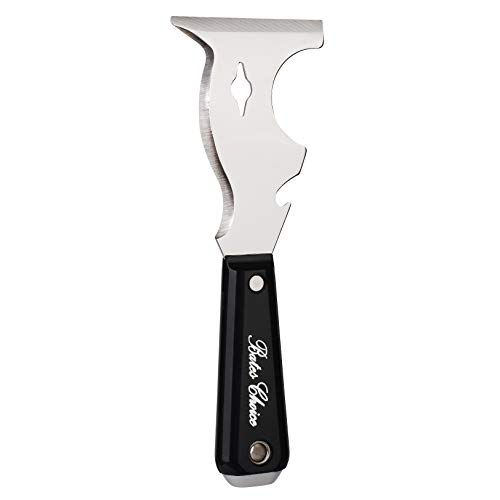
Are multi-tools like the Bates 10-in-1 worth it?
For homeowners doing occasional repairs, absolutely. They replace multiple tools, saving money and storage space. For professionals or serious DIYers focused on paint removal, a dedicated carbide scraper performs better. Most toolkits benefit from having both types.
How do I prevent gouging wood surfaces when scraping?
Keep the blade sharp, hold it at a low 15-20 degree angle, and work with the wood grain. Let the tool's weight do the work—avoid excessive pressure. For delicate trim, consider a narrower blade for better control. Practice on scrap wood first.