Smart Home — FAQ
Will smart thermostats work in homes with young children?
Yes. Models with remote sensors prioritize occupied rooms, so comfort follows your family. Enable child locks to prevent toddlers from cranking temps. The best family thermostats offer robust scheduling that automatically adjusts for nap time and school hours.
What is a C-wire and why do most smart thermostats need one?
A C-wire (common wire) provides continuous 24V power. Older homes often lack this wire, causing thermostats to lose settings or go dark. Some models include power kits; others require professional installation. Always check your HVAC compatibility before buying.
Can multiple family members control the thermostat from different phones?
Quality smart thermostats support multiple app users with tiered permissions. Parents get full admin access, teens can adjust temps within limits, and guests get temporary control. Look for systems that log changes by user to resolve thermostat disputes.
How much money can families realistically save?
Energy Star certified models typically save 8-15% on heating and cooling bills—roughly $150-200 annually for average families. Smart scheduling, geofencing, and remote sensors compound savings by reducing waste when the house is empty or everyone is asleep.
Are smart thermostats secure from hackers?
Reputable brands use bank-level encryption and regular security updates. Sensi offers offline modes for maximum privacy. Enable two-factor authentication and create strong passwords. Avoid no-name brands that may lack proper security protocols.
Which thermostat works best with Alexa and Ring devices?
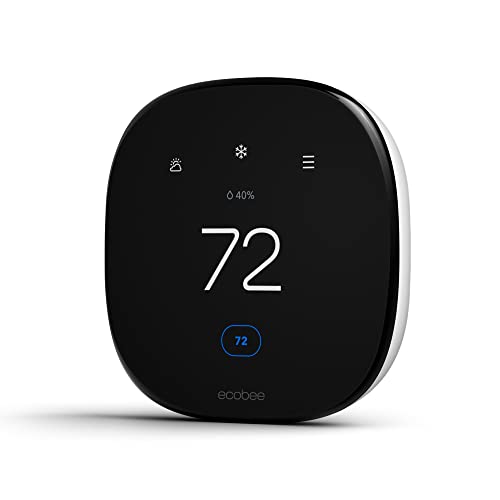
The Amazon Smart Thermostat offers native integration with Alexa Routines and Ring Alarm modes—automatically adjusting temps when you arm the security system. Ecobee models also support Alexa but add Siri and Google, preventing smart home lock-in.