Smart Home — FAQ
Can I install any smart thermostat in my garage?
No. Standard thermostats aren't built for garage temperature extremes or dust. Choose models rated for -20°F to 120°F operation with sealed electronics. Detached garages also need strong WiFi signals or thermostats with external antennas.
Do I need a C-wire for a garage thermostat?
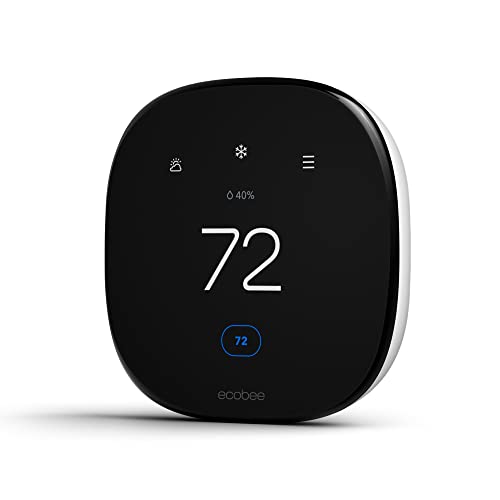
Most smart thermostats require a C-wire for constant power. If your garage HVAC lacks one, select a model with a power extender kit included, such as ecobee's Essential or Premium. Battery-powered units avoid this but need yearly battery changes in cold climates.
Will a smart thermostat work in an uninsulated garage?
Yes, but performance varies. The thermostat itself must be rated for extreme cold. More importantly, use a model with remote sensors placed away from drafty doors to get accurate readings. Expect higher energy bills heating uninsulated spaces.
What's the ideal garage temperature to set?
For vehicle storage, 55°F prevents freeze damage while minimizing energy use. For workshops, 65-68°F maintains comfort. Use geofencing or schedules to lower temperature when the garage is unused, saving 15-20% on heating costs.
Can one thermostat control multiple garage zones?
Standard thermostats control a single zone. For multi-zone garages, install multiple thermostats or use a model with wireless sensors that average temperatures across zones. The ecobee Premium supports up to 32 sensors, effectively managing multiple areas.
Is Matter support important for garage thermostats?
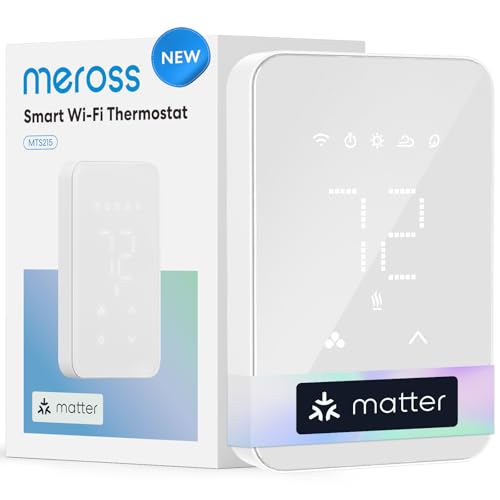
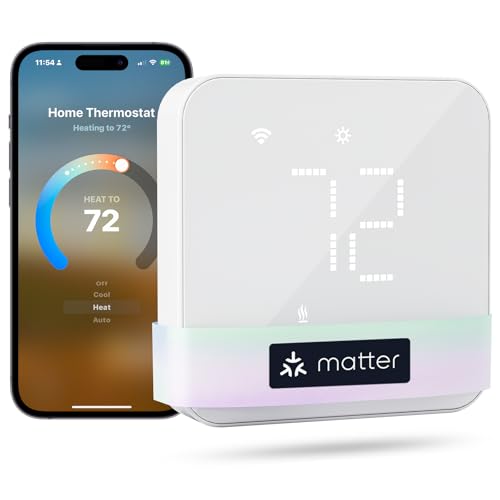
Matter future-proofs your investment, ensuring compatibility with upcoming smart home platforms. In garages, Matter's improved WiFi stability benefits detached structures. It's not essential today but recommended for new installations.