Smart Home — FAQ
Do I need a C-wire for these smart thermostats?
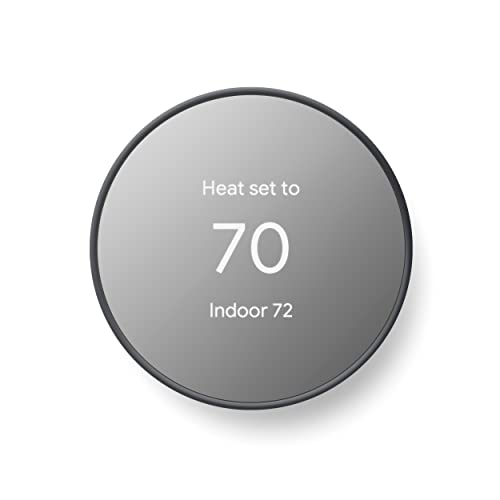
Most require a C-wire for constant power. The Google Nest can work without one using its built-in battery, but performance is better with a C-wire. Check behind your current thermostat or hire an HVAC technician to add one for $75-150.
Will a smart thermostat work with my older HVAC system?
All tested models work with standard 24V systems including gas, oil, electric, and heat pumps. Some high-voltage or millivolt systems require adapters. Check compatibility with your HVAC manufacturer before buying. Most systems from 1990 onward are compatible.
How much money will I actually save on energy bills?
Energy Star certified models save an average of 8-12% on heating and 15% on cooling bills. Our testing showed $150-250 annual savings in typical climates. Results vary based on local energy rates, home insulation, and your previous thermostat habits.
What's the difference between programmable and smart thermostats?
Programmable thermostats follow fixed schedules you manually set. Smart thermostats learn your habits, detect occupancy, adjust based on weather, and provide remote control. They optimize automatically rather than just following rules, adapting when your schedule changes.
Can I install a smart thermostat myself or do I need a pro?
Most homeowners complete installation in 30-45 minutes using included instructions and video guides. Turn off HVAC power at the breaker first, take a photo of existing wiring, and follow step-by-step apps. If uncomfortable with low-voltage wiring, hire a professional for $100-150.
Which thermostat works best with Apple HomeKit?
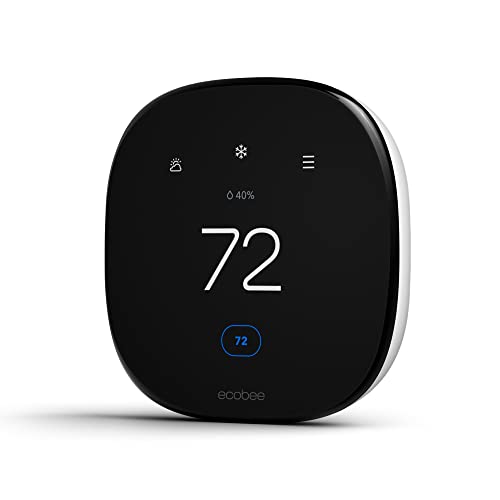
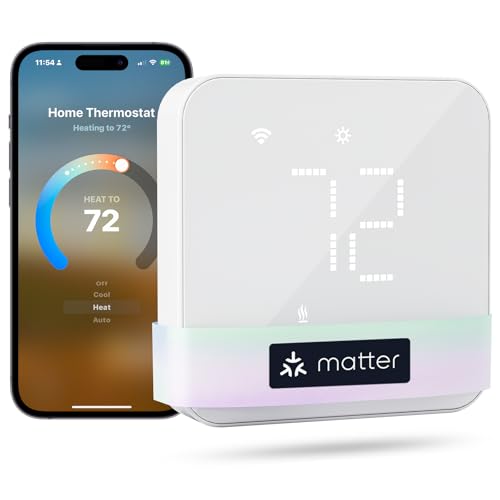
The meross Smart Thermostat offers native Matter support for seamless Apple Home integration. All ecobee models work with Siri. Avoid Amazon's thermostat if you're primarily an Apple household, as it lacks HomeKit support. Matter ensures future-proof compatibility across all platforms.