Smart Home — FAQ
Do I need a C-wire for these smart thermostats?
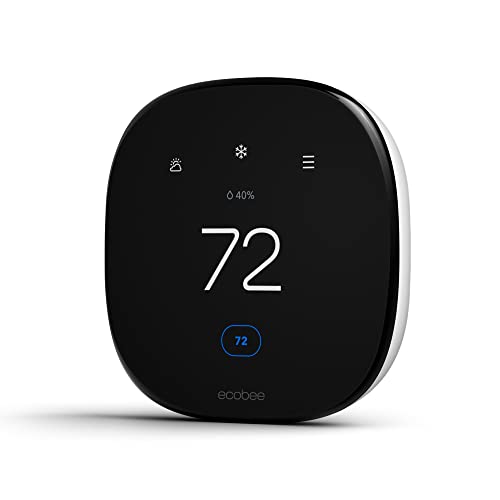
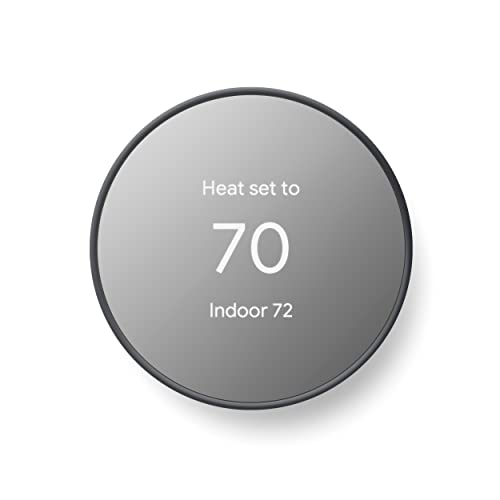
Most models require a C-wire for constant power. The Sensi ST55 works without one in many systems. Ecobee includes a Power Extender Kit. Nest can use a built-in battery but performs best with a C-wire for reliability.
Which thermostat has the best API for developers?
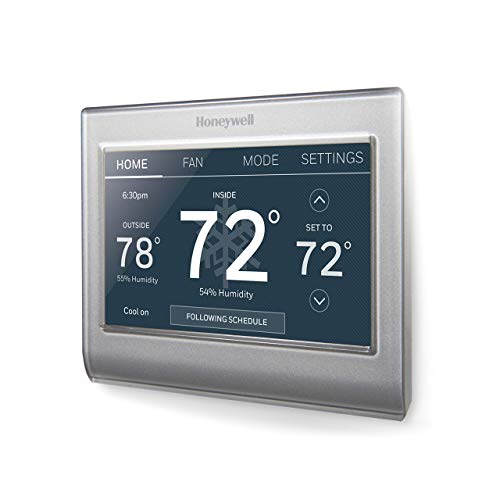
Ecobee's REST API is the most comprehensive with OAuth 2.0, WebSocket events, and detailed documentation. Honeywell's Total Connect API is solid but rate-limited. Nest lacks official API support, requiring community integrations.
Can I control these thermostats locally without internet?
Only HomeKit-native thermostats like ecobee offer true local control. Others require internet for app access. For offline automation, pair with Home Assistant and a local hub. Cloud-dependent models lose remote access during outages.
How many remote sensors can I add?
Ecobee Premium and Enhanced support up to 32 sensors per thermostat. Nest uses presence sensing from other Google devices. Honeywell and Sensi don't support remote sensors. For multi-zone control, ecobee is the clear winner.
What's the sensor range for remote sensors?
Ecobee SmartSensors use 915MHz with 60-foot indoor range through walls. Battery life averages 18-24 months. They report temperature, occupancy, and battery status every 3-5 minutes. Range extends with mesh networking between sensors.
How do these thermostats handle data privacy?
Sensi stores minimal data locally. Ecobee offers data deletion controls and API access logs. Nest aggregates data for Google services. For maximum privacy, use HomeKit mode on ecobee or self-host with Home Assistant to limit cloud exposure.