Smart Home — FAQ
Do I need a C-wire for a smart thermostat?
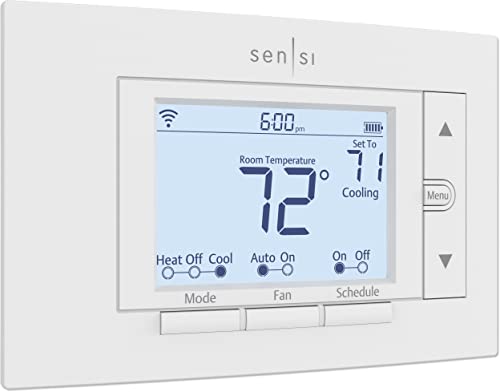
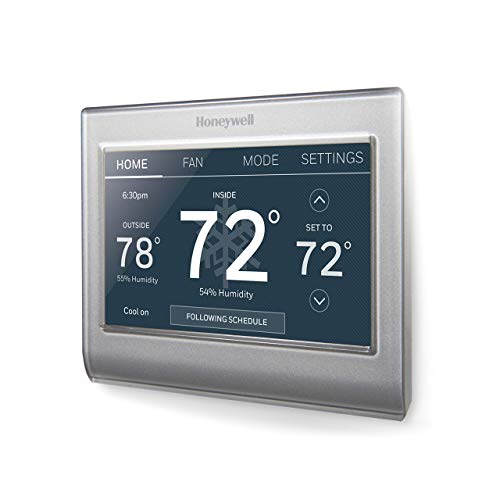
Most models require a C-wire for constant 24V power. Exceptions include Sensi ST55 and select Honeywell units that use battery power or power stealing. If you lack a C-wire, install a $25 adapter kit or run new 18-gauge wire. Check compatibility tools before buying—ecobee and Nest apps scan your wiring to confirm.
How much money will a smart thermostat save?
Energy Star certified models save 10–26% on heating and cooling costs, typically $131–$145 annually. Savings depend on climate, home efficiency, and usage patterns. Homes with irregular schedules see the biggest benefit from occupancy detection. Most users recoup the cost in 1–2 years, especially with utility rebates.
Can I install a smart thermostat myself?
Which smart thermostat works best with Alexa?
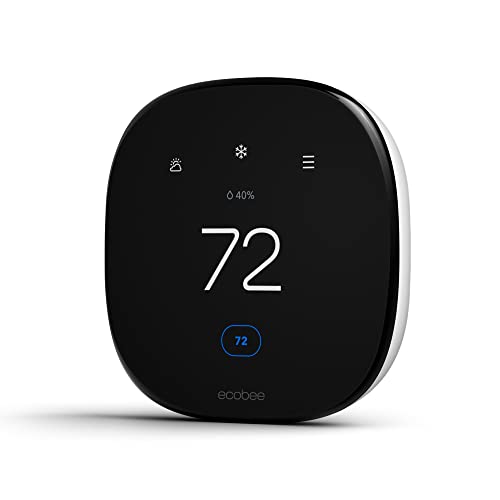
The Amazon Smart Thermostat offers native integration and Ring doorbell triggers. ecobee models support Alexa built-in, turning the thermostat into an Echo device. Nest works with Alexa but requires the Google Assistant skill. For seamless Alexa routines, choose Amazon or ecobee—both support commands like "Alexa, I'm leaving" to trigger Away mode.
What's the difference between programmable and smart thermostats?
Programmable thermostats follow fixed schedules you input. Smart thermostats learn patterns, detect occupancy via phone location or sensors, and adjust automatically. They integrate with weather forecasts, provide energy reports, and enable remote control. Our testing showed smart models save an additional 15–20% beyond basic programming.
Will a smart thermostat work if my internet goes down?
Yes, but with limited functionality. The thermostat continues running its schedule and maintains temperature. You lose remote app control, voice commands, and weather integration until internet restores. ecobee and Nest cache schedules locally. Sensi stores data on-device, preserving privacy but offering fewer cloud features. Wi-Fi outages don't affect basic heating/cooling.